Insights
KR Decarbonization Magazine
VOL.13 | JULY 2026
- Decarbonization of International Shipping: The Tightening IMO Regulatory Landscape
- The Core Challenge: The Shift to Alternative Fuels and the Workforce Shortage
- Understanding the Hazard Characteristics of Alternative Fuels
- KR LSC: Purpose and Training Overview
- Core Facility: The LNG OTS Simulator
- Training Methodology and Curriculum
- Training Outcomes and International Cooperation
- Future Development Plans
Strategies for Seafarer Training and
Competency Enhancement in the Era of Alternative Fuels
Preparing for Maritime Workforce Development in the Age of Alternative Fuels
Houng-Soo Kim Principal Researcher System Safety Research Team

|
Decarbonization of International Shipping: The Tightening IMO Regulatory Landscape
In July 2023, the IMO adopted its revised GHG reduction strategy, formally committing to achieving Net-Zero carbon emissions by 2050. Representing a significant step up from previous targets, the strategy sets concrete interim milestones: a reduction of at least 20% (with 30% as an aspirational goal) by 2030 compared to 2008 levels, and at least 70% (targeting 80%) by 2040. To underpin these goals, the EEXI (Energy Efficiency Existing Ship Index) and CII (Carbon Intensity Indicator) regulations are being progressively tightened, and discussions on the introduction of Market-Based Measures (MBM) — placing a price on carbon emissions — are taking concrete shape. Confronted by a combination of technical regulations and economic incentives, the global shipping industry has entered a period of earnest decarbonization, driven by the imperative of survival.
The Core Challenge: The Shift to Alternative Fuels and the Workforce Shortage
Vessels powered by eco-friendly alternative fuels such as LNG, methanol, and ammonia are proliferating rapidly. A.P. Moller-Maersk has already put methanol-fueled ships into full commercial operation, and the delivery of numerous ammonia-fueled vessels is scheduled between 2027 and 2030. Regulatory frameworks - including the IMO’s IGF Code and the interim guidelines on methanol and ethanol (MSC.1/Circ.1621) - are being updated swiftly, and the role of classification societies and inspection bodies is expanding accordingly.
Yet the supply of qualified personnel capable of safely handling alternative fuels on the ground lags far behind the pace of technological development and regulatory reform. A growing gap has emerged: the speed at which seafarers are building the competencies needed to manage the unique hazards of each fuel type is simply not keeping up with the rollout of new vessels. The international community is now responding in earnest - including through discussions to introduce new qualification requirements for alternative-fuel ship operations via amendments to the STCW Convention. Ultimately, the success of the zero-carbon shipping era will hinge on how proactively the industry can cultivate the specialized personnel who understand the hazard characteristics of each fuel and can operate ships safely.
Understanding the Hazard Characteristics of Alternative Fuels
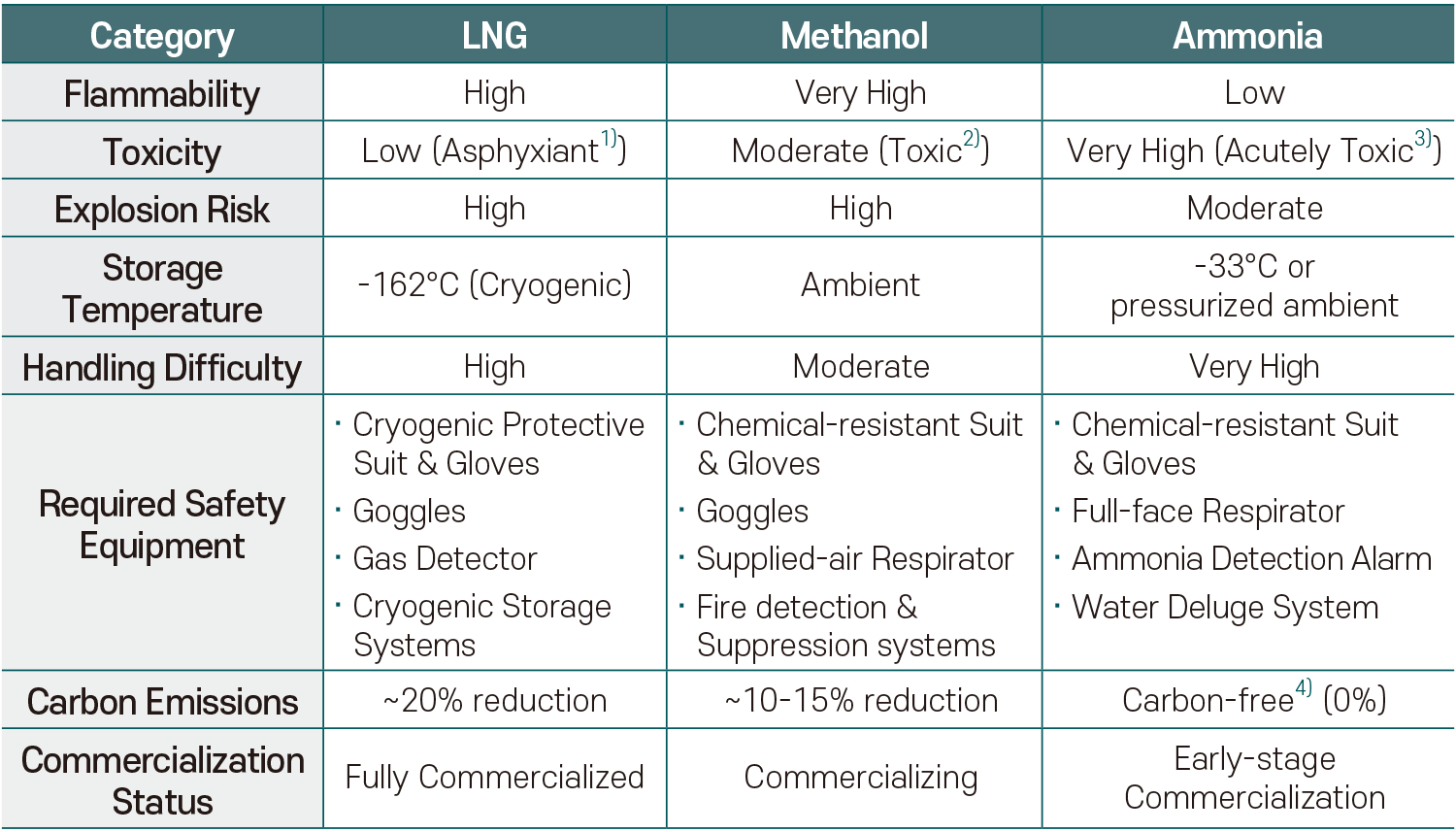
As the transition to alternative fuels accelerates, a precise understanding of each fuel’s physical and chemical hazard properties is the essential starting point for both safe operations and effective workforce development. The table below compares the hazard characteristics of the major alternative fuels.
Comparison of Hazard Characteristics of Alternative Marine Fuels
LNG (Liquefied Natural Gas)
·The primary hazards are cryogenic burns and fire/explosion. Safe management centers on cryogenic storage and handling technology
·Methane slip5) management - the release of uncombusted methane - remains an environmental challenge. LNG has been the most widely adopted alternative fuel since its commercial rollout in the mid-2010s.
Methanol
·Fire and human toxicity (through skin contact and inhalation) are the main hazards; fire prevention and exposure control are central to safe management. Trace amounts of formaldehyde are produced during combustion.
·Since 2024, a growing number of vessels operated by companies such as HMM and Maersk have been in service, with active construction underway at domestic shipyards.
Ammonia
·Severe toxicity and corrosivity are the defining hazards - a leak can be fatal. Leak detection and neutralization systems, along with strict toxicity management, are paramount. As a fully carbon-free fuel, ammonia is central to achieving carbon neutrality.
·Following the delivery of the world’s first ammonia - fueled vessel in 2026, construction continues at HD Hyundai and Samsung Heavy Industries.
*Glossary
1) Asphyxiant:Displaces oxygen, causing respiratory distress.
2) Toxic: causes systemic poisoning.
3) Acutely Toxic:Life-threatening even at low exposure levels.
4) Methane Slip:Uncombusted methane released into the atmosphere during LNG combustion.
5) Carbon-free:No CO₂ emissions upon combustion.
Given that hazard profiles differ substantially between fuels - and the depth of expertise required varies accordingly - uniform, one-size-fits-all training cannot adequately ensure safety at sea. Recognizing this real-world gap in workforce development, KR established the LSC, Korea’s only integrated training infrastructure for LNG-fueled vessels and bunkering operations, to directly address this challenge.
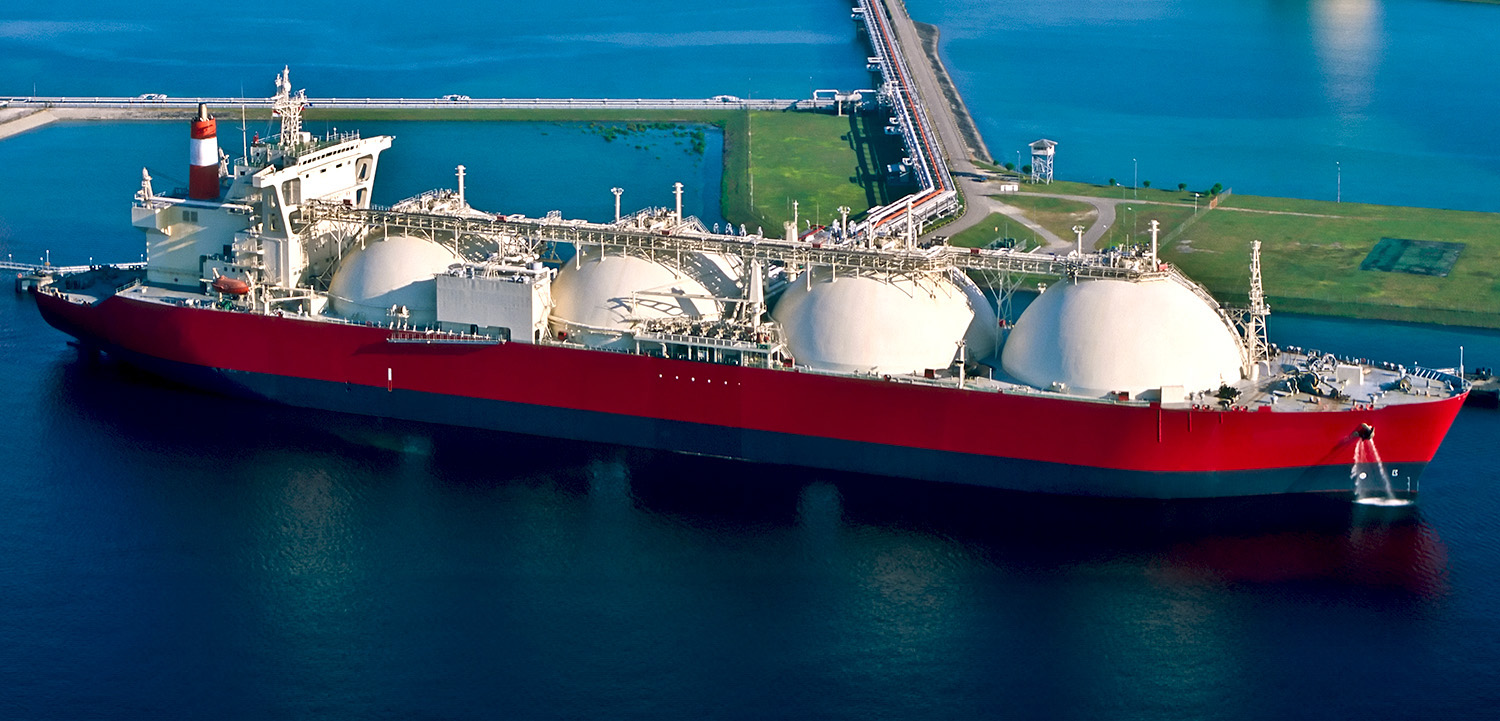
KR LSC: Purpose and Training Overview
The LSC (LNG-Fueled & Bunkering Simulation Center) of KR is Korea’s sole integrated training facility for LNG propulsion and bunkering, built to meet the growing demand for specialized personnel during the transition to eco-friendly shipping. Since formally launching its LNG FGSS (Fuel Gas Supply System) design and bunkering operations training program in September 2020, the LSC has trained over 500 participants to date, consistently achieving top-tier satisfaction scores through its practice-oriented simulation curriculum. Trainees come from across the maritime ecosystem - ship operators’ deck and engineering officers, shipyard design engineers, marine equipment manufacturers, and academic researchers alike.
LSC LNG-Fueled & Bunkering Simulation Center Facility
Core Facility: The LNG OTS Simulator
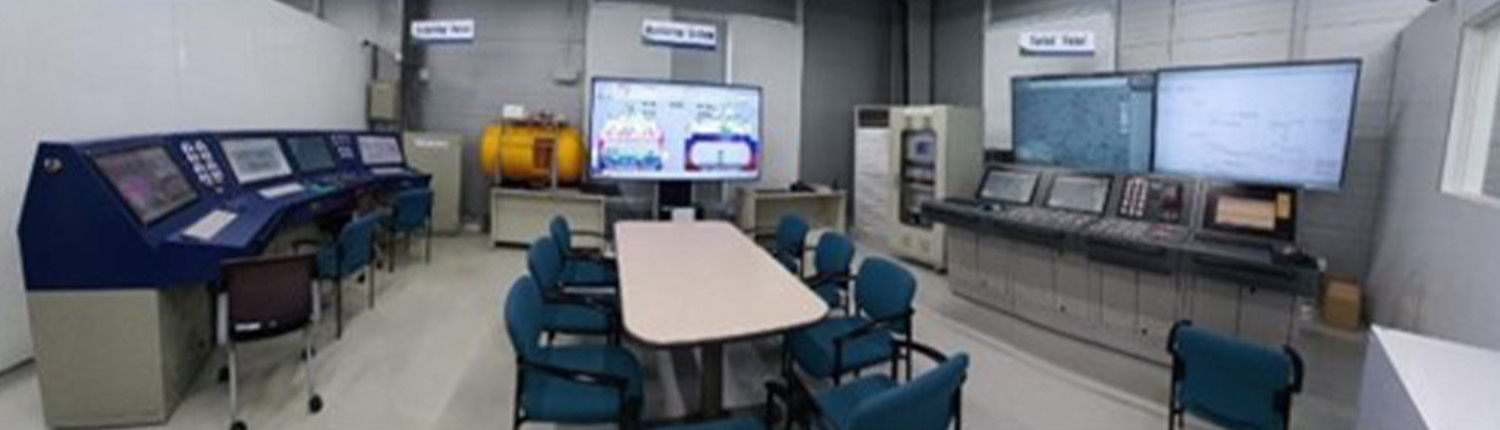
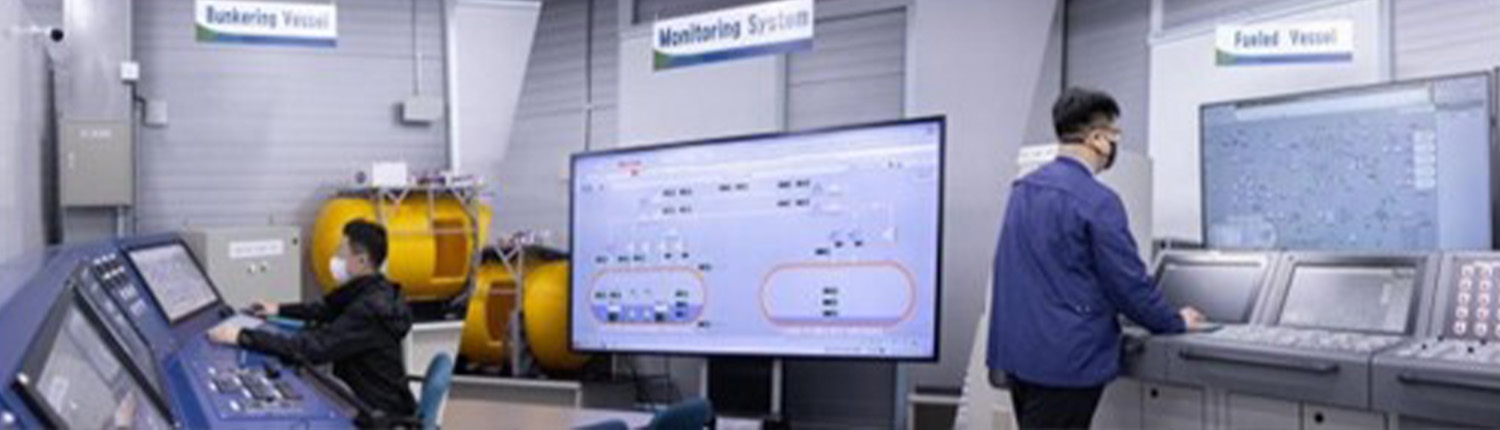
At the heart of the LSC is the LNG OTS (Operator Training Simulator), a full-fidelity replica of the Cargo Control Room found aboard LNG-fueled and bunkering vessels. Built on the globally renowned process simulation software Aspen HYSYS, the physical model is bidirectionally linked in real time with actual ship control graphics, enabling trainees to experience every stage of ship-to-ship bunkering - from cargo tank cool-down and LNG loading, to bunkering pump operation, pressure equalization, and final bunkering completion - in real time.
The simulator’s greatest strength lies in its visual intuitiveness. Liquid level changes inside cargo tanks, LNG flow within hoses, and pressure variations in the vapor return line are all rendered with precise animation, allowing trainees to grasp complex process flows within the piping system at a glance and develop effective responses to unexpected situations.
LNG OTS Simulator Interface
(LNG transfer from bunkering vessel to fuel-propelled vessel)
Training Methodology and Curriculum
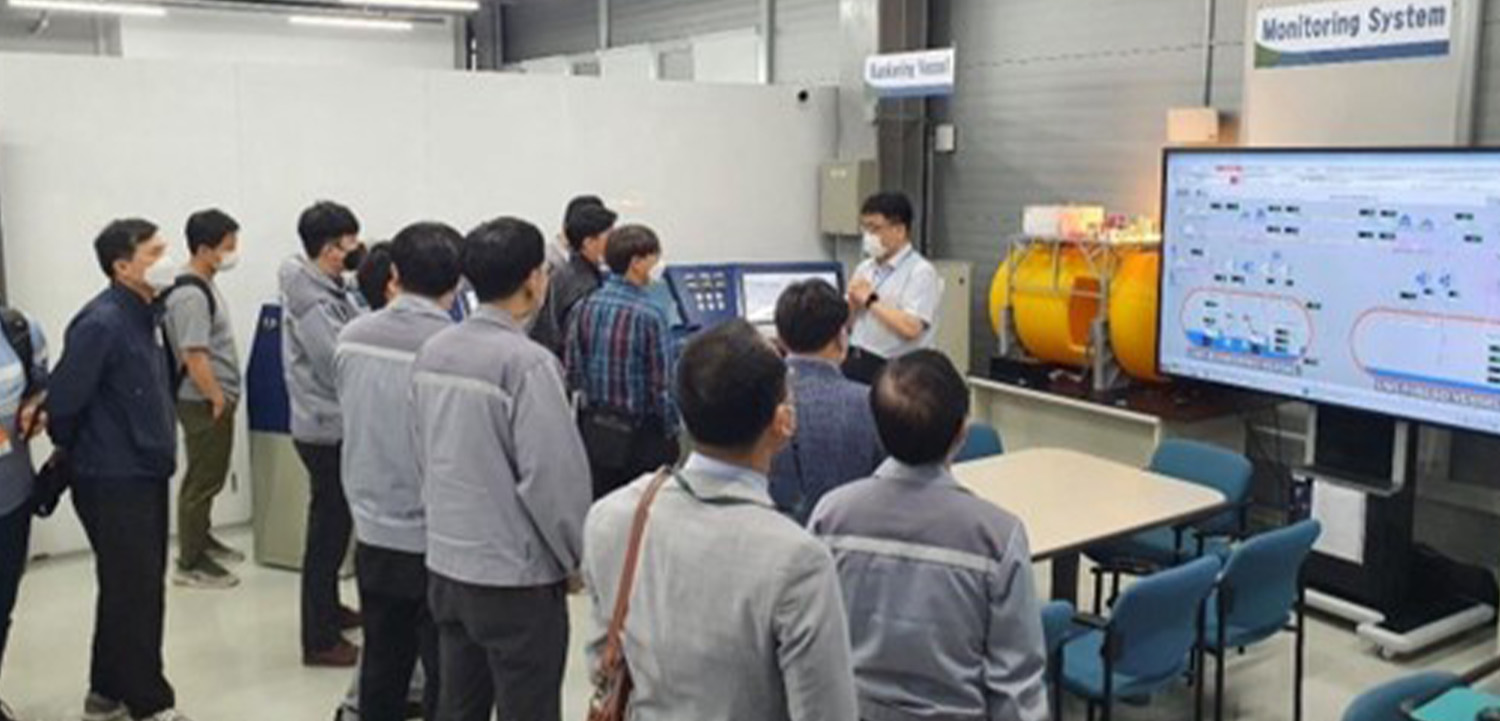
The LSC adopts a hands-on, participatory training approach in which learners perform valve operations, pump startups, and emergency shutdowns (ESD) directly within an environment identical to the actual control systems. The real-time, bi-directional signal interface between the HYSYS process model and the control system allows trainees to immediately observe the system-wide effects of their actions. A snapshot function enables instructors to jump instantly to any specific stage of operation or to repeat a challenging segment, making fully customized training possible.
Integrated Curriculum Structure
· Specialist Knowledge:Process design fundamentals; the latest LNG FGSS technologies; dual-fuel (DF) engine overview and case studies.
· Practical Design: Real-world design considerations and in-depth study of STS (Ship-to-Ship) bunkering procedures.
· Safety Management: Simulation-based reproduction of the unique hazards inherent to LNG.
LSC Alternative Fuel Hands-On Training in Progress
Training Outcomes and International Cooperation
Through comprehensive training that spans hands-on practitioners to research professionals, the LSC has established itself as a pivotal hub for simultaneously advancing both the technological competitiveness and safe operational capabilities of Korea’s maritime industry.
Training Achievements
·Over 500 participants trained since the program’s launch in September 2020.
·Training provided to ship operators’ deck and engineering officers, shipyard design engineers, and marine equipment manufacturer personnel.
·Deepened expertise through exchanges with academic institutions including Korea Maritime and Ocean University, KAIST, and the University of Ulsan.
Key Visits and Collaborations
·Facility visits and technical reviews by representatives from SK Gas and Woodside Energy Ltd.
·Visit by senior officials from Singapore’s Maritime and Port Authority (MPA), who reviewed the advanced training infrastructure.
·Visits by maritime accident investigators and representatives of the IMO GHG SMART Program.
Expanding International Cooperation
Through close collaboration with the IMO GHG SMART Program and Singapore’s MPA, the LSC is actively pursuing the global standardization of its training model. By participating in local workforce development initiatives in regions where LNG bunkering infrastructure is rapidly expanding - including Southeast Asia and the Middle East - the LSC is cementing its position as a central pillar of international maritime workforce development.
Future Development Plans
Building on its current LNG-focused training capabilities, the LSC will advance its curriculum to encompass next-generation alternative fuels, including methanol and ammonia. By strengthening cooperative frameworks that connect domestic and international industry, academia, research institutions, and classification societies, KR aims to establish its standing as a trusted global partner - and to set a new standard for maritime workforce development through two key drivers: training innovation and expanded international collaboration.

Challenges for a Just Transition in the Shipping Industry’s Decarbonization
- Focusing on Seafarer Education and Training
Hyun-Wook Doo Professor (Ph.D. in Law) Korea Institute of Maritime and Fisheries Technology

|

Introduction
Global warming driven by industrialization is an environmental crisis that demands urgent action from the international community. Ships, as the most economical mode of transport, carry more than 90% of the world’s cargo. Because they have long relied on cheap fossil fuels - a primary source of greenhouse gas (GHG) emissions - intensive efforts are underway to develop alternative, eco-friendly fuels.
International standards for ship design and equipment are developed under the auspices of the International Maritime Organization (IMO), which exerts enormous influence across all maritime domains, including ship safety, marine environmental protection, seafarer training, and seafarer labor. Global GHG regulation is rooted in the United Nations Framework Convention on Climate Change (UNFCCC), carried forward through the Tokyo Protocol and now implemented under the Paris Agreement. However, emissions from international shipping are addressed specifically through the IMO framework.
Notably, after amending Annex VI of the MARPOL Convention in 2013 to introduce the Energy Efficiency Design Index (EEDI), the IMO has been working toward the ambitious target of achieving Net-Zero GHG emissions from international shipping by around 2050. As a result, efforts to develop international safety and environmental standards for alternative-fuel vessels are accelerating rapidly.
The term “alternative fuel” encompasses all fuels other than conventional bunker oil used in ships, and these fuels have distinctly different properties from petroleum. Accordingly, alongside the development of safety standards for new ship equipment and operational systems, reforms to seafarer education, training, and certification are also essential. In other words, to allow existing seafarers to continue serving at sea, relevant international conventions must be revised, and governments must establish supportive policies and systems to ensure seafarer employment stability.
This article examines the current IMO policies on Net-Zero GHG emissions and their implications for seafarer training and certification, and identifies key challenges ahead.
International GHG Reduction Regulations and Their Impact on Seafarer Education and Training
·The International Maritime Sector's Response to Climate Change
At the 102nd International Labour Conference in 2013, the ILO acknowledged the far-reaching impact of climate change on industry and agreed on the need for new social principles and guidelines to support environmentally sustainable economic development. This led to the adoption of the Guidelines for a Just Transition at a tripartite experts’ meeting in 2015 - “tripartite” referring to labor organizations, employers’ organizations, and governments (ILO, 2015).1) The guidelines reflect the ILO’s vision of reconciling continuous human progress with decent working conditions as the climate transition unfolds.
They also provide foundational guidance for workers, employers, and states to ensure that the greening of production and distribution across all industries also translates into decent working environments. The guidelines emphasize in particular that states must guarantee fair and equal opportunities, protect workers’ rights, and collaborate with employers and workers to establish policies that support career development, so that the climate response does not result in disadvantages for workers (ILO, 2015).2)
Changes to GHG emission regulations under the amended MARPOL Convention are not solely a concern for the shipbuilding and shipping industries. From a labor market perspective, they herald profound changes in seafarer training, education, and employment. In particular, since Net-Zero shipping cannot be achieved without viable alternative fuels, progress on both technology commercialization and international seafarer training and certification standards must happen in parallel. Above all, policies and legislation must be put in place to ensure employment stability and ongoing professional development for seafarers. To address these real-world challenges, the Maritime Just Transition Task Force (MJTF) - comprising the IMO, ILO, ICS, ITF, and UN Global Compact - was established at COP26 in 2021 to proactively respond to the changes that climate transition is bringing to the seafarer labor market.3)
1)ILO, Guidelines for a Just Transition towards Environmentally Sustainable Economies and Societies for All, 2015, p. 3.
2) lbid, pp. 4-5.
3) Maritime Just Transition, Mapping a Maritime Just Transition for Seafarers(2022, 11), p.2 (https://www.imo.org/en/OurWork/HumanElement/Pages/Maritime-Just-Transition.aspx).

International Standards Related to the Just Transition in Shipping
·The International Labour Organization
① The Maritime Labour Convention (MLC)
Article 4, Paragraph 1 of the MLC sets out the fundamental principles governing seafarers’ rights to employment and social protections. All seafarers have the right to work in a safe and secure environment that meets the applicable safety standards, while Paragraph 4 establishes their entitlement to health protection, medical care, welfare measures, and other forms of social protection.
MLC Regulation 1.3 requires that, as a condition of ensuring health and safety, all seafarers must be trained or certified for the duties they perform. Seafarer training and certification are implemented internationally through the International Convention on Standards of Training, Certification and Watchkeeping for Seafarers (STCW, 1978, as amended), as referenced in MLC Regulation 1.4, Paragraph 3. MLC Regulation 2.8 further addresses seafarers’ career development, skill development, and employment opportunities, requiring member states to formulate and implement national policies to promote seafarer employment in light of advancing maritime technology (Regulation 2.8, Paragraph 1 and Standard A2.8, Paragraph 1).
Since employment security for seafarers can only be realized through continuous career development programs, member states are required to establish clear objectives for vocational guidance, education, and training for seafarers, in consultation with shipowners’ and seafarers’ organizations. In establishing these policies, member states must consider three key conditions: first, agreement with shipowners’ organizations to provide career development and skills training; second, the establishment of occupation-specific registers or rosters of qualified seafarers to promote employment; and third, the promotion of continuous training and education opportunities - both onboard and ashore - to equip seafarers with the skills and maritime competencies needed to adapt to evolving labor market conditions.
·The ILO's Guidelines for a Just Transition
Climate change’s effects on the natural environment alone are reported to directly affect 1.2 billion people worldwide. The disparity in damage between countries, driven by structural imbalances across continents, is stark. For Africa, South America, and Southeast Asia - regions highly dependent on primary industries - climate change threatens to devastate national economies (ILO, 2018).4) When indirect impacts on human welfare and health are factored in, the potential for disruption to the industrial, economic, cultural, and legal frameworks built over human history becomes very real. Climate adaptation must therefore encompass both GHG reduction and adjustment to a changing environment. The energy transition - moving away from the fossil-fuel-based industrial structures established since the Industrial Revolution - will inevitably affect every sector of the economy.
Every country needs to transform in order to meet the demands of the coming climate regime. The ILO’s Guidelines for a Just Transition provide a roadmap5) for doing so. While not legally binding, they were developed with the goal of realizing social justice as governments, workers, and employers transition toward a green and decarbonized economy, grounded in the ILO’s tripartite principles. They specifically aim to advance a just transition by addressing nine key policy areas, including expanding employment opportunities and strengthening social protection.
4) ILO, Greening with Jobs(International Labour Office : Geneva, 2018), pp.19-20 ; In the agricultural sector, Africa accounts for 217,263 jobs compared to Europe's 42,108. Significant disparities are also observed in other sectors: Africa and Europe hold 5,118 and 603 jobs in fisheries, and 247 and 1,338 jobs in chemicals, respectively.
5) ILO, op. cit., p.3.
9 Key Policy Areas of the ILO's Just Transition Guidelines
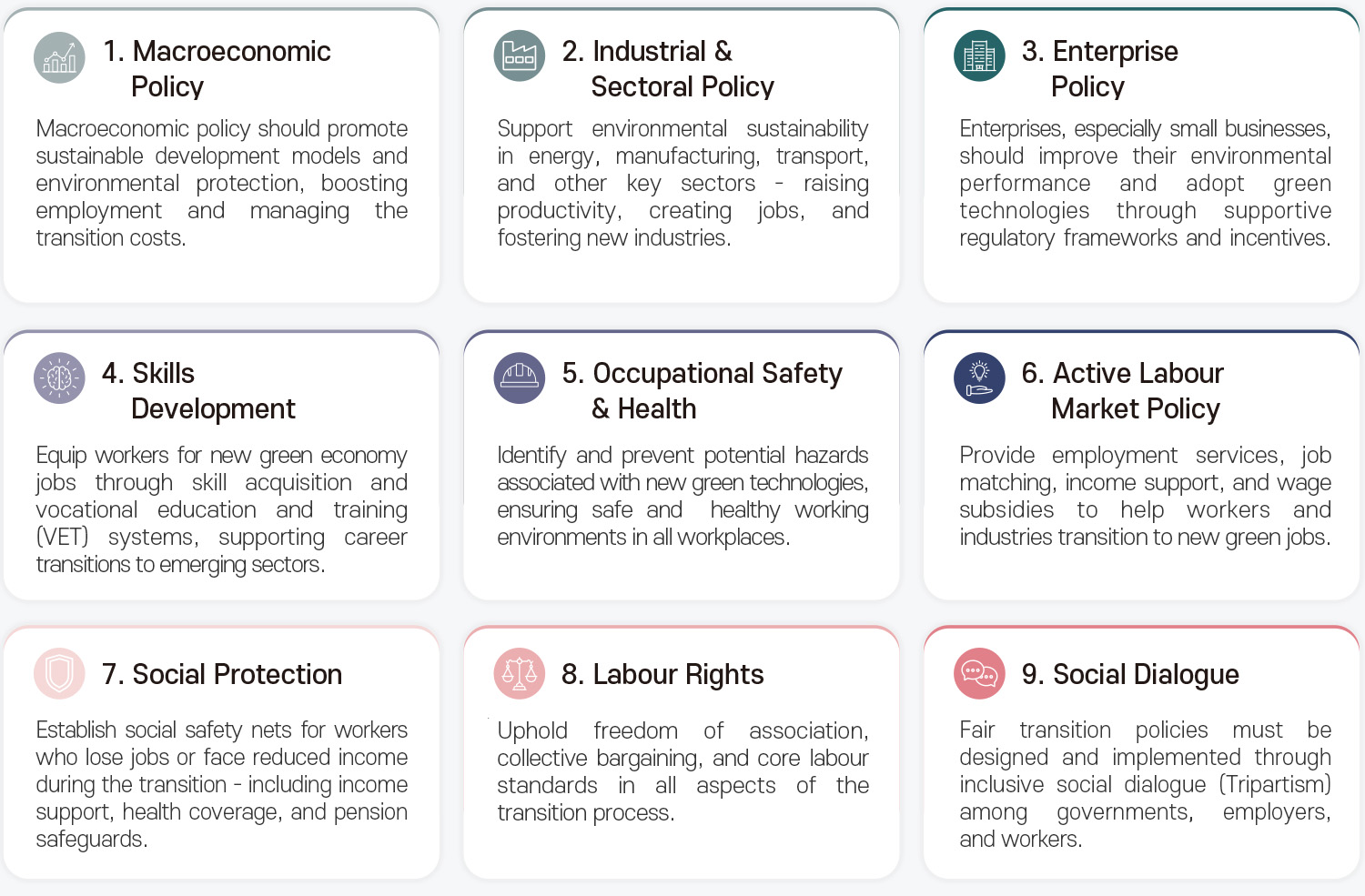
Source: ILO Guidelines for a just transition towards environmentally sustainable economies and societies for all
·The STCW Convention
Since the STCW Convention entered into force in 1984, it has undergone two comprehensive revisions - in 1995 and again in 2010. Enhancing seafarers’ competencies in step with advances in maritime technology ultimately aligns with the shared international goal of ensuring safe ship operation and protecting the marine environment.
At the time the 2010 amendments were adopted, there was no sufficient international consensus on the need to strengthen seafarer training in relation to GHG reduction. As regulations on nitrogen oxides and sulfur oxides under MARPOL Annex VI became progressively more stringent, however, orders for vessels powered by low-flashpoint fuels such as LNG and methanol began to increase.
In response, the IMO adopted the IGF Code (International Code of Safety for Ships Using Gases or Other Low-flashpoint Fuels) in 20156), and simultaneously amended the STCW Convention7) to strengthen seafarer training requirements suited to the characteristics of gaseous fuels. Since the pace of new LNG vessel orders did not surge dramatically, however, the STCW amendments did not raise the level of international concern that some had anticipated.
That landscape changed dramatically in 2023, when a landmark agreement was reached to revise the IMO’s GHG reduction strategy. Development and operation of alternative-fuel vessels began to accelerate, and this has since driven revisions to seafarer training and certification frameworks. Moreover, a comprehensive review of the STCW Convention8) - one that reflects the changes in shipping since 2010 - has been underway since 2023 within the Sub-Committee on Human Element, Training and Watchkeeping (HTW). Initially, however, the revision scope did not include new or amended seafarer training requirements for alternative fuels, given that safety guidelines for those fuels had not yet been mandatory and operational experience with the human element had not yet accumulated. This policy direction was revised at the 12th session of HTW earlier this year.
Work on developing seafarer training requirements for alternative fuels was launched as a new agenda item in 2025, and interim guidelines for seafarers handling methyl/ethyl alcohol, methanol, and ammonia have already been developed. Interim guidelines for hydrogen, batteries, LPG, and others are planned to follow in sequence. There was a growing concern that the actual deployment of alternative-fuel ships could be hampered by inadequate international seafarer training and certification standards - and the timing of the ongoing STCW comprehensive revision made the moment particularly opportune.
The current direction at the IMO for developing seafarer competency requirements related to alternative fuels and new technologies involves creating fuel-specific and technology-specific Knowledge, Understanding, and Proficiency (KUP) standards. How the interim guidelines will ultimately be incorporated has not yet been determined. It is anticipated, however, that STCW Chapter V, Rules V/3 and Code A-V/3 - which were amended alongside the adoption of the IGF Code - will be revised again. Given that the current provisions reflect the technology of a decade ago and are focused primarily on LNG, outstanding questions remain: Should certification requirements be differentiated fuel by fuel across the diverse landscape of alternative fuels, or should a common framework be established with only the safety-critical training elements differentiated? These are among the many challenges still to be resolved.
6) IMO, MSC.391(95) – Adoption of the International Code of Safety for Ships Using Gases or Other Low-Flashpoint Fuels, 11 June 2015.
7) IMO, Res. MSC.396(95) – Amendments to the International Convention on Standards of Training, Certification and Watchkeeping for Seafarers, 1978, as Amended, 11 June 2015.
8) IMO, Res. MSC.397(95) – Amendments to the International Convention on Standards of Training, Certification and Watchkeeping for Seafarers, 1978, as Amended, 11 June 2015.

International Policy Examples for the Seafarer's Just Transition
·Denmark
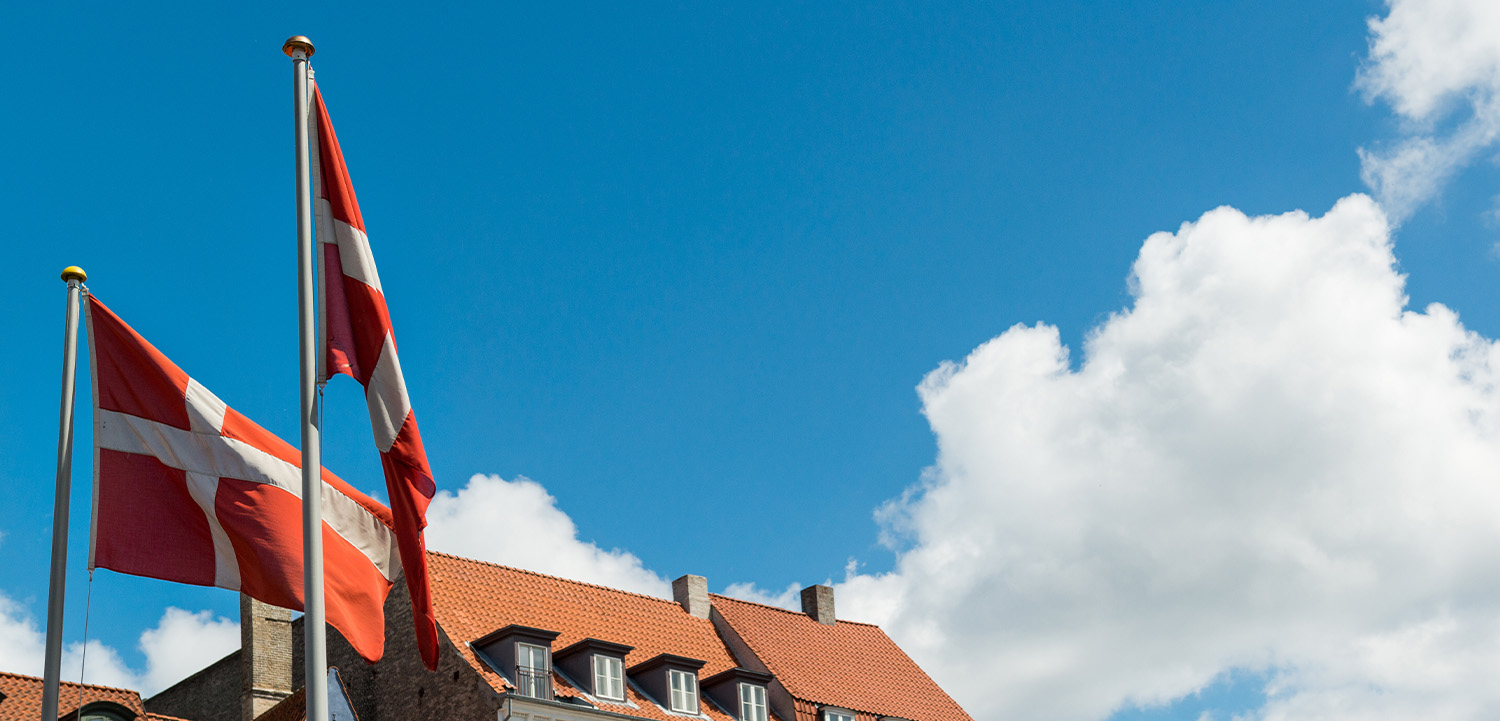
The Danish shipping industry has set the ambitious goal of achieving genuine carbon neutrality by 2050. To get there, a concrete interim target calls for at least 5% of the Danish fleet to transition to green hydrogen or other alternative fuels by 2030. By the same year, all newbuilds ordered by Danish shipowners must either run on net-zero fuels or be equipped with Net-Zero propulsion systems.
Three strategic priorities underpin these targets. First, transforming current shipping into green shipping - actively responding to the evolving international regulatory environment and working to implement MARPOL Convention GHG requirements. Second, developing the Danish shipping industry into an internationally capable hub - expanding Denmark’s influence in the global maritime sector and aiming for Denmark to become a leading maritime nation by advancing maritime technology and services. Third, finding and implementing ultimate solutions - a commitment to proactively overcoming the operational and regulatory challenges facing Danish shipping (Danish Shipping, 2022).9)
Of particular note in connection with the third strategic pillar is an emphasis on securing competitive maritime personnel, including seafarers. Long-term policies to attract younger generations into the industry are highlighted as essential for sustainable growth. As part of efforts to develop maritime professionals, the annual intake for internship programs was expanded from 350 to 400. The program is open to both maritime students and serving seafarers, with the Danish Shipping association playing a connecting role between companies and interns.10)
Denmark is also working to build its technical capabilities and operational experience with GHG-reduction technologies in actual service. Notable examples include the operation of M/T Jutlandia Swan11), fitted with four wingsails, and the Cleanship12) aimed at verifying the effectiveness of biofuels — both efforts designed to accumulate hands-on experience with GHG-reduction innovations and alternative fuels, while simultaneously developing the job requirements and training standards that seafarers will need.
9) Danish Shipping, Towards Zero: Strategy of Danish Shipping 2022–2025, January 2022, pp. 5–12.
10) Ibid, pp. 2-3.
11) https://maritime-professionals.com/danish-test-vessel-to-help-chart-the-course-for-sail-assisted-emission-reductions-in-shipping/.
12) https://www.dti.dk/projects/cleanship/welcome-to-the-cleanship-project/46089.
·Norway
Norway ranks fifth in the world by fleet tonnage as of 2024.13) Government statistics show 1,577 registered vessels, representing a decrease of approximately 14 ships compared to 2023.14) With abundant maritime and fishery resources, Norway has a well-developed maritime economy that spans offshore energy, fisheries, and related industries. At the private sector level, the Norwegian Shipowners’ Association has set a target of reducing GHG emissions by 50% by 2030 relative to 2008 member fleet levels, with a Net-Zero goal by 2050.
A survey of member preference for future alternative fuels ranked biofuel highest, followed by ammonia, methanol, hydrogen, and electric (battery) propulsion.15) As vessel automation and alternative-fuel propulsion become standard, the resulting changes in ship systems and operational management are recognized as critical challenges for both seafarers and shipowners. As new technologies are adopted at speed, practical hands-on experience is consistently cited by both groups as a crucial seafarer competency.16) Notably, shipowners have assessed that the current seafarer education, training, and onboard training systems are insufficient to produce the seafarers that the future shipping industry will require17) - a finding that deserves serious attention.
13) Norwegian Shipowners' Association, Maritime Outlook 2024, March 2024.
14) Statistics Norway,https://www.ssb.no/en/transport-og-reiseliv/sjotransport/statistikk/handelsflaten-norskregistrerte-skip
15) Norwegian Shipowners' Association, Maritime Outlook 2024, 2024, pp. 21–22.
16) Ibid, p.50.
17) Ibid, p.56.
·Singapore
Securing alternative-fuel supply chains is an essential infrastructure condition for the commercialization of alternative-fuel vessels. Singapore made history by successfully completing both ship-to-ship methanol bunkering and ammonia bunkering for ammonia-fueled vessels, positioning itself at the forefront of the alternative-fuel shipping era.18) Singapore's geographic proximity to major seafarer-supply countries in Southeast Asia makes it a frequent crew-change hub. Leveraging this advantage, Singapore is working to establish a Maritime Energy Training Facility (METF). Preceding this, in 2024, the Singapore government, industry, and labor jointly established the MPA–SMF Joint Office, which is providing transition training on alternative fuels to port workers and seafarers, combining investment in physical infrastructure with efforts to secure a skilled workforce.19)
18) https://www.mpa.gov.sg/media-centre/details/singapore-gears-up-to-meet-net-zero-needs-of-shipping
19) https://www.mpa.gov.sg/media-centre/details/maritime-energy-training-facility-to-deliver-competencies-for-maritime-workforce-to-handle-new-fuels
Policy Priorities for Korea's Just Transition
·Establishing a Policy Framework for the Just Transition
In Korea, 99.7% of imports and exports are transported by sea, making seafarer development a matter of strategic national importance - from trade logistics to national security. Under Article 107 of the Seafarers’ Act, the Ministry of Oceans and Fisheries is required to establish a five-year Master Plan for Seafarer Policy; the current Second Master Plan (2024–2028) is now in effect. It includes curriculum development for alternative-fuel seafarers, as well as operation of cutting-edge vessels, in light of the IMO’s GHG reduction strategy and the ongoing STCW revision.
Yet a just transition for seafarers cannot be realized by government policy alone. Above all, a decarbonized shipping industry requires officers with specialized competencies quite different from those of the past. The Act on Support for the Establishment of Green Shipping Corridors, enacted and promulgated in March of this year, requires the Minister of Oceans and Fisheries to establish a five-year basic plan for green corridor support (Article 5, Paragraph 1). The development of specialized personnel is also included under Paragraph 2, Item 4 of the same article. Policy development should incorporate the ILO’s Just Transition Guidelines and ensure the meaningful participation of industry and labor in developing concrete implementation plans and workforce development strategies for the seafarers’ just transition.
In addition, the participation of alternative-fuel equipment developers and seafarer training institutions is equally indispensable. Knowledge of operating alternative-fuel vessels has not yet become widespread in the shipping industry, and relying solely on the participation of buyers (shipowners) and users (seafarers) will not be sufficient to complete a just transition for the sector. A virtuous cycle must be created in which equipment manufacturers freely share their knowledge and experience, and the feedback of buyers and users flows back to inform seafarer training. Such a knowledge-sharing platform is expected to not only strengthen maritime competencies but also contribute positively to the technological advancement and competitiveness of Korea’s shipbuilding and marine equipment industries.
·Developing and Securing Qualified Instructors
With the exception of LNG, the operation of alternative-fuel vessels is still in its early stages. The revision of international seafarer standards (STCW Convention) in response to the shift in ship propulsion energy carries a degree of uncertainty. However, prior research consistently anticipates explosive growth in seafarer demand and emphasizes the need for training institutions to scale up proportionally. Above all, a pipeline of instructors qualified to meet updated international standards must be developed and secured in advance. Since it is realistically impossible to recruit in short order a sufficient pool of instructors who combine practical experience with the necessary technical knowledge, it is essential to establish and implement an in-house instructor development plan - beginning with the involvement of current faculty in alternative-fuel pilot operations and R&D projects from an early stage.
·Sharing Experiences on Safety and Technical Issues
Countries and industries are competing in the development of alternative-fuel technologies. Measures to address safety issues that may arise from alternative-fuel use - for both vessels and the people aboard them - can advance public safety broadly. More critically, the technological and economic gap between developed and developing nations means that many developing countries still resist the introduction of environmental regulations. The institutionalization of new technologies risks deepening the divide with advanced economies, and may fuel frustration among nations that feel they are excluded from the economic and environmental benefits. Since the majority of seafarer-supplying countries are developing nations, it is essential to actively promote international cooperation and capacity-building programs - through international organizations - to transfer the experience, knowledge, and technical capabilities needed for seafarer training. Establishing an international fund to support these efforts on a sustained basis is equally urgent.
Closing Remarks
Transitioning ship propulsion energy is urgently required to realize the IMO’s Net-Zero goal. The shift to alternative fuels is not simply a matter of updating technical standards for ships; it is reshaping every dimension of the industry - shipping business and economics, vessel management, and operations. In an era of climate change, just transition policies are needed to ensure humanity's continued progress and social stability. If the Korean maritime industry has until now poured its energy into advancing the technologies needed for decarbonization, the time has now come to pool its wisdom and capabilities for the sake of the people who will use those technologies - the seafarers.
*The opinions presented herein are the author's own and do not represent the stance of the Korean Register.
- Prologue
- Electrification Propelled by Both Regulation and Market Forces
- The Core of Electric Propulsion Technology
- The Four Spectrums of Electric Propulsion: Optimal Configurations by Vessel Type
- Future Outlook of Electric Propulsion Ships
- Expansion into Hybrid Generation Sources
- Medium Voltage Direct Current (MVDC): The Key to Next-Generation Power Grids
- Rise of Sophisticated Output Control Platforms
- New Horizons in Power: Small Modular Reactors (SMRs)
- Electric Propulsion Becoming the Norm: Strategic Response Is Essential
Decarbonization Era:
Can Electric Propulsion Ships
Become the New Standard?
Ki-Hwa Chung GM of KR Digital Solutions Team

|

Prologue
In October 2025, the IMO Marine Environment Protection Committee (MEPC) concluded its session in London, deferring formal deliberations on the Net-Zero Framework adoption by one year. The regulatory clock appeared briefly delayed, yet the pace of market and technological change shows no sign of slowing.
With the maritime sector’s integration into the EU Emissions Trading System (EU ETS) in 2024, the phased implementation of FuelEU Maritime in 2025, and a phased mandate from 2030 requiring passenger and container ships to connect to Onshore Power Supply (OPS) while berthed at EU ports, the global shipping industry is rapidly restructuring around decarbonization. We have entered an era in which ships can no longer depend on a single fuel or a single conventional propulsion method.
At the heart of this transition lies Electric Propulsion technology. Moving beyond its role as a simple eco-friendly propulsion alternative, electric propulsion is evolving into a power-based integrated platform that can flexibly interface with diverse next-generation green energy sources—ranging from batteries and fuel cells to alternative fuels like hydrogen, ammonia, and methanol, and even Small Modular Reactors (SMRs).
Electrification Propelled by Both Regulation and Market Forces
The regulatory shifts described above mean that ships can no longer maintain a power architecture dependent on a single energy source. Instead, ships require a flexible power architecture capable of selecting and combining the most suitable energy sources for each operational mode, and electric propulsion is the very platform that naturally accommodates these requirements.
The market is also moving swiftly. Norway proved the viability of electrifying coastal passenger shipping through the commercial launch of Ampere, the world’s first fully battery-electric ferry, and has continuously expanded the application of related technologies. China is pushing ahead with the scaling up and standardization of battery-powered cargo vessels, while Japan, through its “e5 Project,” has successfully commercialized electric cargo ships and is now extending its scope to fuel cell propulsion. Korea has also successfully demonstrated DC grid-based hybrid electric propulsion vessels and is broadening its scope to medium and large ships through the next-generation K-Shipbuilding initiatives.
An AI-reconstructed image of the 'Ulsan Taehwa,' Korea's first electrically propelled smart ship
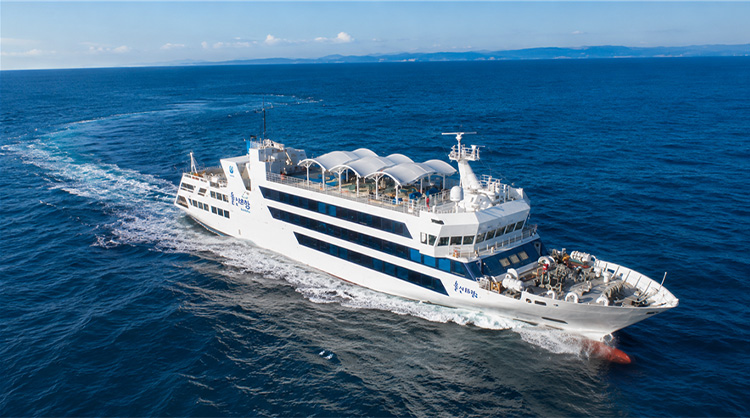
Source: AI-reconstructed image
The Core of Electric Propulsion Technology
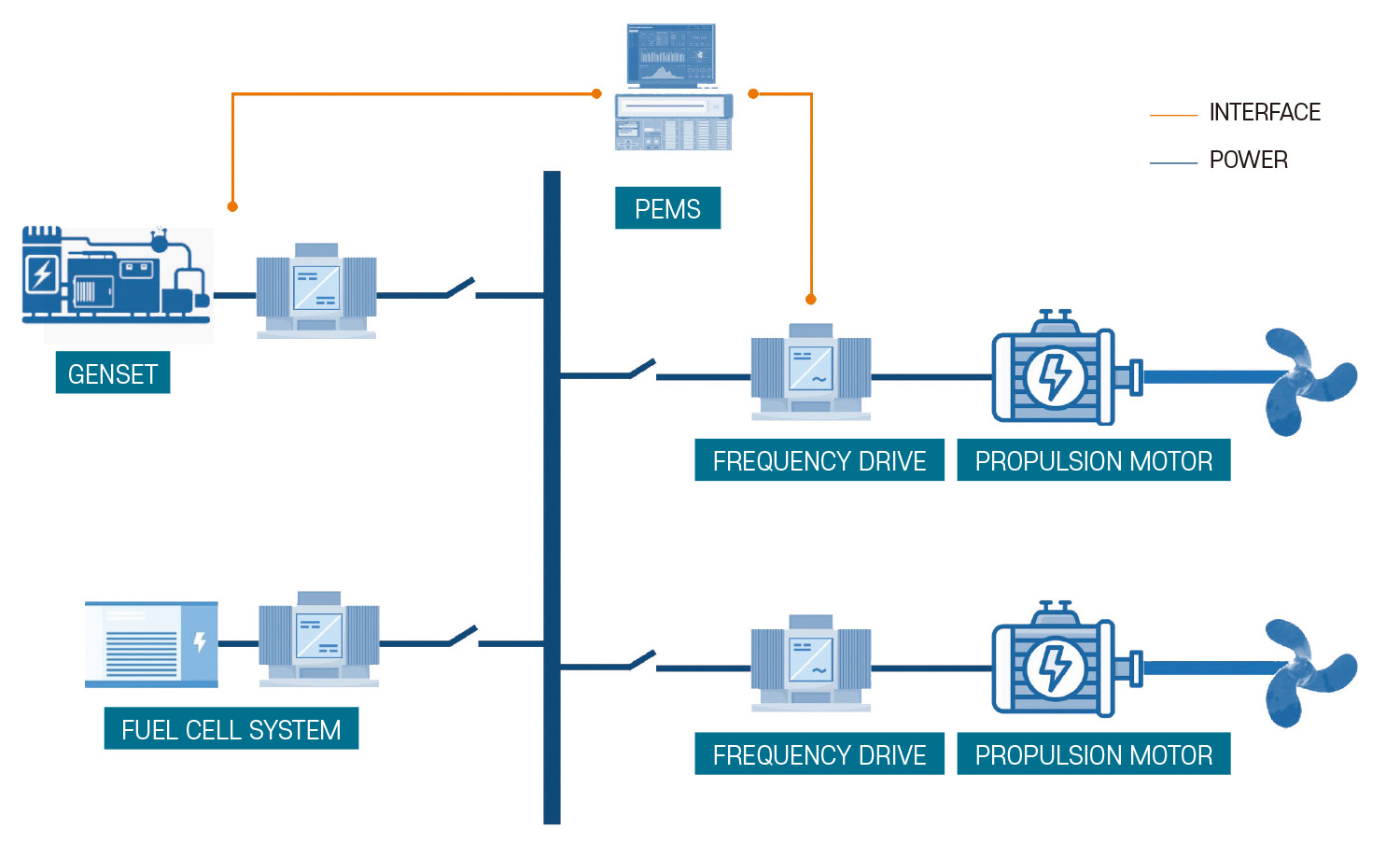
An electric propulsion ship is a power-based architecture integrating three core functional blocks: Generation, Distribution, and Propulsion. The specific combination of options across these three stages determines the vessel’s performance, efficiency, environmental compliance, and the ease of its future transition to eco-friendly fuels.
· Generation System The generation system - the starting point of ship power - is undergoing a fundamental evolution. Moving beyond conventional diesel generator configurations, the sector is rapidly shifting to a multi-source hybrid power structure integrating variable-speed engine generators, energy storage systems (ESS), and fuel cells. Trials have confirmed that variable-speed generation systems achieve fuel savings of approximately 9% to 23% in low-load operating ranges compared with fixed-speed operation by adjusting the engine’s RPM according to demand. Battery systems fulfill diverse operational needs, including peak shaving, spinning reserve, and load sharing. Fuel cells are emerging as a core technology to minimize direct operational emissions by converting zero-carbon and low-carbon fuels - such as hydrogen, methanol, and ammonia - directly into electrical energy.
· Distribution SystemShipboard distribution systems - the core of the onboard power grid - are classified into alternating current (AC) and direct current (DC) networks according to how generated power is routed to propulsion and auxiliary loads. Traditional AC distribution offers proven reliability and component compatibility, but requires synchronization between generators and fixed-speed operations, leading to efficiency degradation under highly volatile load patterns. Conversely, DC distribution permits variable-speed generator operations and allows batteries and fuel cells to connect directly to the DC bus, offering distinct advantages for hybrid configurations and the adoption of alternative fuels. As a result, DC distribution is being increasingly adopted in recent eco-friendly newbuilding projects in Korea.
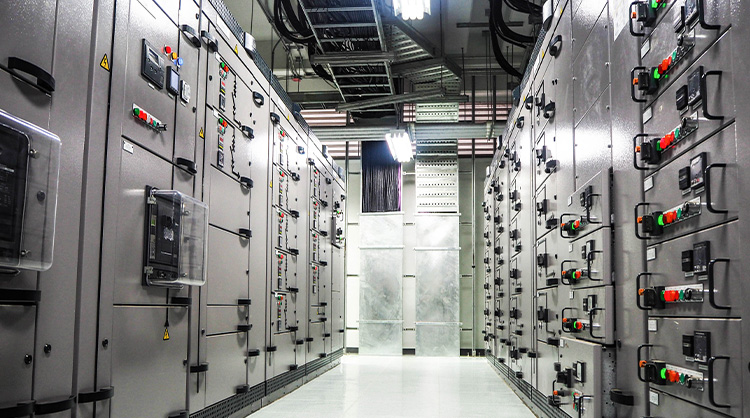
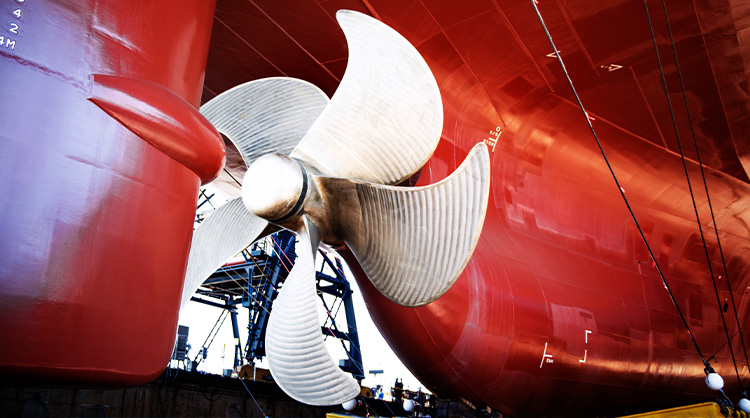
· Propulsion SystemThis final stage converts electrical energy into physical propulsive thrust. It maximizes efficiency across the full operating range through variable frequency drives (VFDs) and utilizes motor topologies optimized for the ship’s specific operational profile and power requirements. Shipowners may choose between highly robust, cost-effective induction motors and synchronous motors optimized for high efficiency and precise control, depending on the vessel’s unique characteristics.
Ultimately, the essence of electric propulsion is not merely a question of which motor to use, but rather a challenge of System Integration-determining which combination of propulsion methods best fits the ship’s specific operational profile. Even for identical vessel types, the optimal configuration changes completely based on trading routes, load patterns, and the proportion of time spent at berth.
The Four Spectrums of Electric Propulsion: Optimal Configurations by Vessel Type
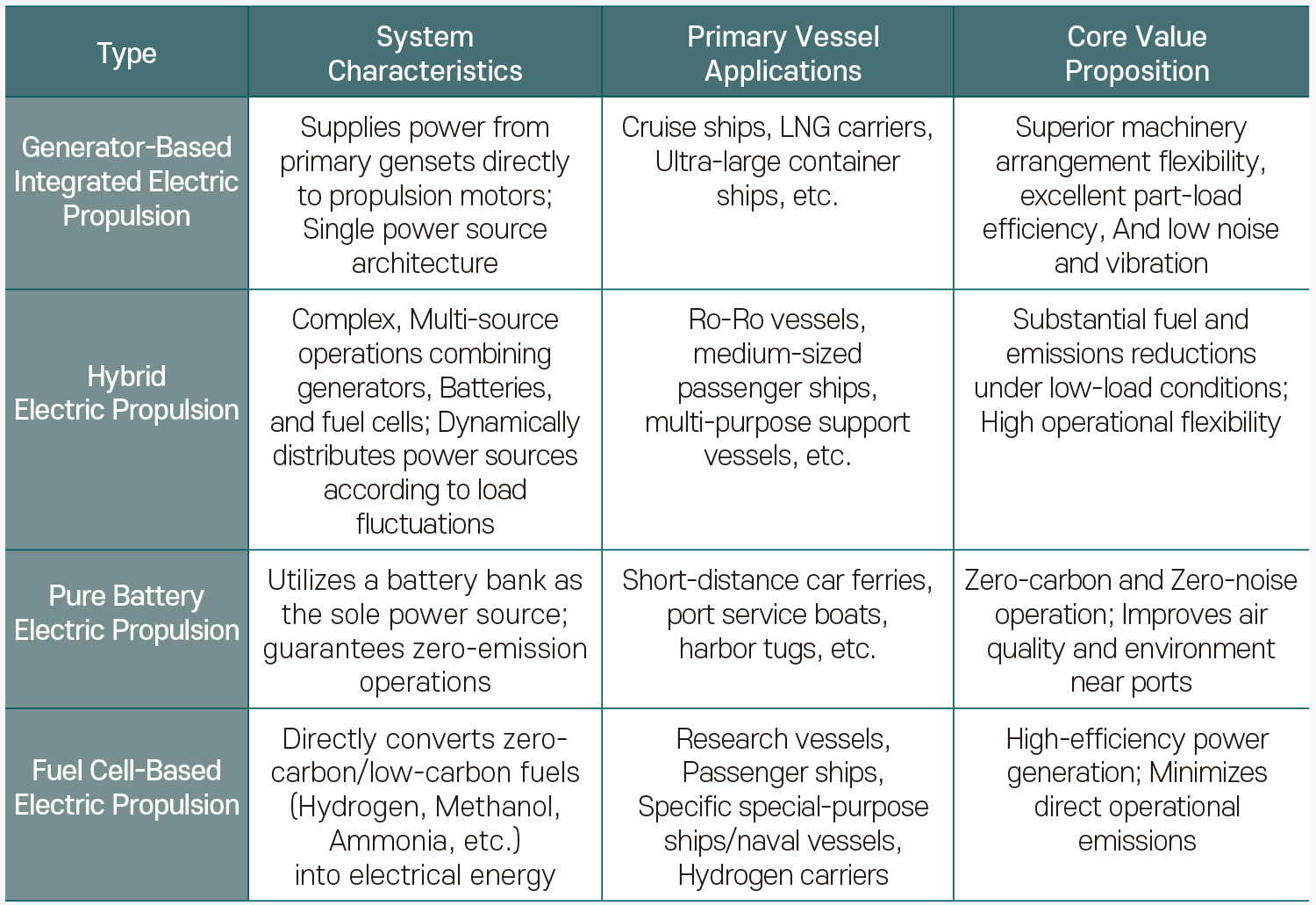
Electric propulsion is not a single rigid technology but rather a “spectrum.” It can be classified into four primary configurations based on the arrangement of power sources, distribution topology, and propulsion types. The selection of a specific combination depends entirely on where the vessel’s operational purpose and environment sit along this spectrum.
However, electric propulsion is not a one-size-fits-all remedy for every ship type. For large cargo vessels operating primarily on steady, constant-power trans-oceanic voyages, electric propulsion may in fact be less efficient than direct-drive engine arrangements, owing to thermal and conversion losses inherent in the multi-stage energy conversion process. In contrast, the advantages of electric propulsion are maximized in short-sea vessels, tugs, offshore support vessels (OSVs), and special-purpose ships that operate with frequent port calls or highly variable load profiles. Ultimately, adopting electric propulsion is a strategic decision that must weigh not only environmental compliance but also the vessel’s operational profile and lifecycle cost structures.
The Four Main Types of Electric Propulsion and Their Applications
| Type | System Characteristics | Primary Vessel Applications | Core Value Proposition |
|---|---|---|---|
| Generator-Based Integrated Electric Propulsion | Supplies power from primary gensets directly to propulsion motors; single power source architecture | Cruise ships, LNG carriers, Ultra-large container ships, etc. | Superior machinery arrangement flexibility, excellent part-load efficiency, And low noise and vibration |
| Hybrid Electric Propulsion | Complex, Multi-source operations combining generators, Batteries, and Fuel cells; Dynamically distributes power sources according to load fluctuations | Ro-Ro vessels, Medium-sized passenger ships, Multi-purpose support vessels, etc. | Substantial fuel and emissions reductions under low-load conditions; High operational flexibility |
| Pure Battery Electric Propulsion | Utilizes a battery bank as the sole power source; Guarantees zero-emission operations | Short-distance car ferries, Port service boats, Harbor tugs, etc. | Zero-carbon and zero-noise operation; Improves air quality and Environment near ports |
| Fuel Cell-Based Electric Propulsion | Directly converts zero-carbon/low-carbon fuels (Hydrogen, Methanol, Ammonia, etc.) into electrical energy | Research vessels, Passenger ships, Specific special-purpose ships/naval vessels, Hydrogen carriers | High-efficiency power generation; Minimizes direct operational emissions |
Source: Reconstructed based on KR, Understanding Electric Propulsion Ship Systems
The Four Main Types of Electric Propulsion and Their Applications
Source: Reconstructed based on KR,
Understanding Electric Propulsion Ship Systems
Future Outlook of Electric Propulsion Ships
The true value of electric propulsion lies in the fact that it is not an isolated technology, but a foundational open platform upon which various future green technologies will be layered. This technological evolution is already advancing simultaneously across generation, distribution, and propulsion systems, spanning every domain.

Expansion into Hybrid Generation Sources
As next-generation fuels such as LNG, biofuels, methanol, ammonia, and hydrogen are adopted in earnest, onboard power generation will no longer converge onto a single diesel generator setup. Recently, hybrid electric propulsion systems combining dual-fuel (DF) generator engines with ammonia-fueled solid oxide fuel cells (SOFCs) have progressed from conceptual designs and pilot verifications toward full commercialization. While DF engines offer superior transient response to sudden load changes and peak demands, fuel cells deliver a stable base-load supply and maximize carbon reduction. Combining these contrasting power sources based on real-time operating conditions represents a highly pragmatic approach to achieving power responsiveness, operational reliability, and environmental goals.
Configuration Diagram of the Integrated Electric Propulsion System for Ships
KR, Understanding Electric Propulsion Ship Systems
Medium Voltage Direct Current (MVDC): The Key to Next-Generation Power Grids
The next major inflection point in ship electrification is the transition toward higher distribution voltages and direct current (DC) networks. The traditional AC architecture, long the standard for large vessel power grids, incurs unavoidable energy losses during generator synchronization and multi-stage power conversion. MVDC systems overcome these limitations, simplifying the power conversion stages and significantly reducing system-level losses. Consequently, MVDC is projected to improve the total power integration efficiency of large electric propulsion ships by up to 20% compared with conventional AC systems. Given that more diverse power sources benefit from integration on a common DC bus, and that cumulative losses directly dictate voyage economics for ultra-large vessels such as container ships and LNG carriers, MVDC stands as a critical milestone for large-scale shipping electrification.
Rise of Sophisticated Output Control Platforms
In the propulsion stage, high-voltage propulsion drives based on a modular multilevel converter (MMC) architecture are emerging as leading candidates for next-generation propulsion systems. The MMC structure offers advantages such as modular scalability, fault tolerance, and transformerless MVDC integration. Crucially, it provides exceptional output waveform quality, which is highly advantageous for noise and vibration reduction in naval vessels and large electric propulsion merchant ships. This signals that electric propulsion - once considered an option exclusive to coastal and specialized vessels - is rapidly expanding into the domain of large transoceanic cargo ships.
New Horizons in Power: Small Modular Reactors (SMRs)
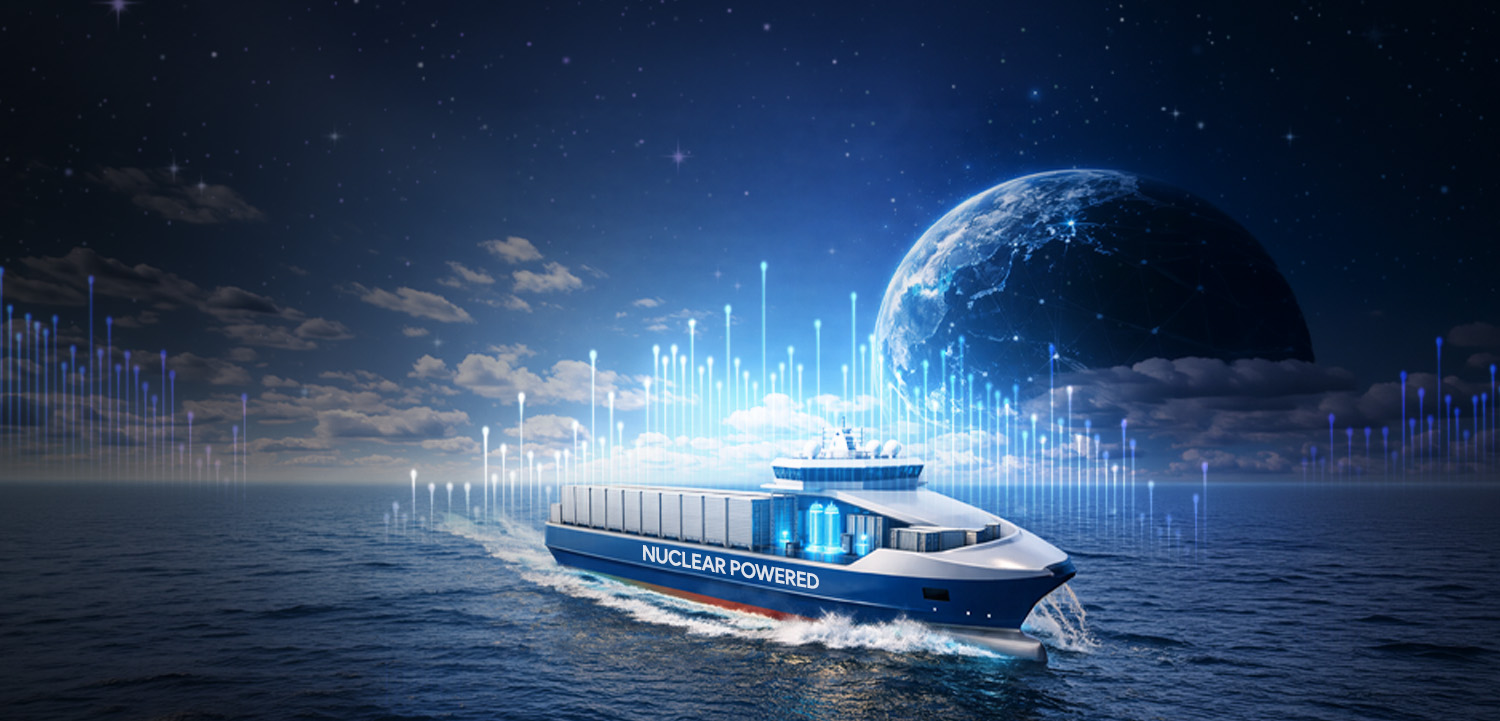
Small Modular Reactors (SMRs) emit zero greenhouse gases during operation and enable long-term voyages on a single fuel load, positioning them as a transformative alternative for decarbonizing long-haul, large-scale shipping. Because SMRs naturally interface with electricity-driven propulsion architectures, the IMO is actively discussing revisions to safety standards for nuclear-powered merchant ships and establishing regulatory frameworks for next-generation nuclear technologies. Major shipbuilders and global shipowners are also accelerating conceptual designs and technical reviews.
Electric Propulsion Becoming the Norm: Strategic Response Is Essential
Amidst tightening global environmental regulations and a universal shift toward net-zero targets, electric propulsion is no longer a technology confined to niche or specialized vessel segments. It is outgrowing shortsea routes and port vessels to find broader application across medium-to-large eco-friendly merchant ships, establishing itself as the new standard for maritime propulsion.
The essence of the decarbonization era is not about selecting a single magic fuel, but about engineering the optimal energy combination and propulsion setup tailored to a vessel’s specific type and operational profile. At the epicenter of this shift sits the electric propulsion system—a power-based, highly flexible platform. Going forward, competitive advantage will be determined not by the question of whether to adopt electric propulsion, but by how effectively it can be integrated and optimized.
Responding to this paradigm shift requires a coordinated strategic approach across the maritime and shipbuilding ecosystems. This includes expanding sea trials for new propulsion technologies and energy sources, modernizing international standards and class certification frameworks, and nurturing an industrial ecosystem designed for cross-disciplinary technology convergence. In alignment with these needs, KR is continuously upgrading its survey and certification frameworks for next-generation propulsion technologies, including high-voltage DC distribution, high-capacity battery systems, hydrogen/ammonia/methanol-powered systems, and SMRs.
Notably, KR supports the safe and reliable deployment of these technologies through its Guidelines for Electric Propulsion and Hybrid Power Systems and a rigorous type approval scheme for marine batteries and fuel cells. Furthermore, KR provides the maritime sector with “PILOT,” a decarbonization decision-support platform, allowing users to compare and analyze regulatory compliance costs, fuel transition scenarios, and the actual efficacy of energy-saving devices (ESDs). It serves as a valuable tool for shipowners evaluating alternative power system configurations, including electric propulsion. Electric propulsion in the decarbonization era is no longer a futuristic concept; it has matured into the new standard for marine mobility, and the entire maritime industry must collectively prepare for its widespread adoption.