Inside KR
KR Decarbonization Magazine
VOL.14 | OCTOBER 2026
KR Empowers Global Maritime Networks through KREC in London and KRSAC in Singapore
Focusing on Decarbonization R&D, IMO MEPC 84
Regulatory Impacts, and Onboard Carbon Capture Technologies
Focusing on
Decarbonization R&D,
IMO MEPC 84 Regulatory
Impacts, and Onboard
Carbon Capture Technologies
Driving Technical Exchange & Global Collaboration
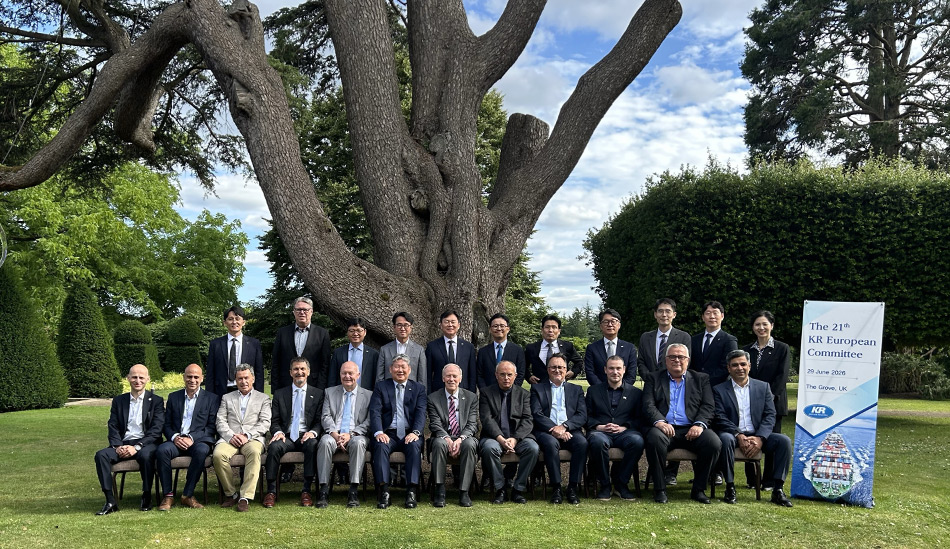
KR has successfully hosted two major overseas events—the 21st KR European Committee (KREC) in London, UK, and the KR Southeast Asia Committee & Technical Seminar (KRSAC) in Singapore. These consecutive gatherings have significantly strengthened strategic partnerships and facilitated vital technical exchanges with key stakeholders across the European and Southeast Asian maritime sectors. As the global shipping industry faces unprecedented pressure to transition towards a sustainable, low-carbon future, these committees served as critical platforms for sharing state-of-the-art decarbonization strategies, R&D achievements, and regulatory insights.
The 21st KR European Committee (KREC): AI-Driven Decarbonization and OCCS Technologies
The 21st KR European Committee (KREC) convened in London, drawing high-profile maritime leaders from across Europe. Established in 2004 and held annually, KREC has become a cornerstone for sharing KR's global initiatives, exchanging technical intelligence, and maintaining an influential industry network.
At this year's meeting, KR presented its current business operations, active contributions within the International Association of Classification Societies (IACS), and its latest R&D accomplishments focusing on AI-based decarbonization and digital transformation. During the technical sessions, participants engaged in-depth with several pressing industry topics, including:
· South Korean Shipbuilding Trends & Technology: Highlighting modern shipbuilding advancements and production trends in Korean yards.
· KR's IMO Contribution & Regulatory Alignment: Sharing KR's support and compliance contributions to the International Maritime Organization (IMO).
· LNG Utilization & Regulatory Challenges: Analyzing operational and compliance-related hurdles associated with liquefied natural gas (LNG) as a transitional marine fuel.
· MEPC 84 Greenhouse Gas Impact Analysis: Delivering comprehensive impact assessments of the greenhouse gas regulations arising from the 84th session of the IMO Marine Environment Protection Committee (MEPC 84).
A major highlight of the technical sessions was the active participation of leading global associations. The International Chamber of Shipping (ICS) and the Baltic and International Maritime Council (BIMCO) shared updates on international discussions surrounding Onboard Carbon Capture and Storage (OCCS) technologies, as well as the rapidly developing requirements for digital GHG accounting and reporting.
The committee also marked a significant leadership transition. After 22 years of dedicated leadership, Dr. Peter M. Swift announced his retirement as KREC Chairman. Aron Frank Sørensen, Chief Environmental Officer of BIMCO, was appointed as the new Chairman. Additionally, KREC expanded its expert pool by welcoming Carl Henrickson, Vice President of Shell International Trading & Shipping, and Helge Bartels, COO of Bernhard Schulte GmbH & Co. KG, as new committee members.
KR Southeast Asia Committee &Technical Seminar (KRSAC) in Singapore: Decarbonization and Cyber Resilience
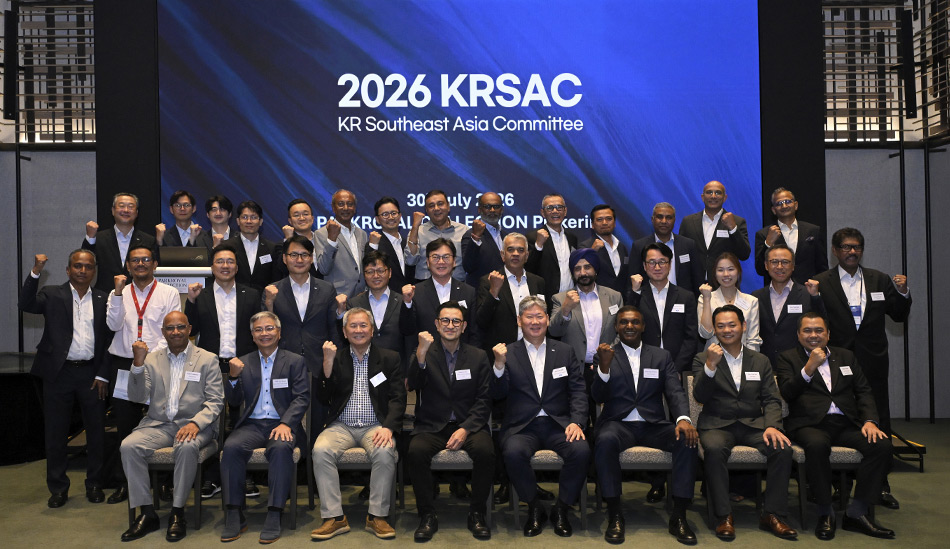
In the second half of the year, KR hosted the KR Southeast Asia Committee and Technical Seminar (KRSAC) in Singapore, a global maritime shipping and logistics hub. The annual event provides an invaluable forum to discuss current industry bottlenecks and exchange cutting-edge technology.
The technical seminar was highly successful, drawing over 100 maritime experts and representatives from prominent shipping firms, including Executive Ship Management, MISC Shipmanagement, and Clearlake Shipping. During this seminar, KR introduced critical technical developments, including:
· IMO MEPC 84 Outcomes & GHG Regulation Impacts: Detailing the strict operational boundaries imposed by the latest IMO environmental resolutions.
· Eco-Friendly Technology from Korean Shipyards: Showcasing next-generation green propulsion systems and design innovations designed to meet carbon-neutral goals.
· KR-CRP (Cyber Resilience Platform): Presenting KR's proprietary platform designed to safeguard vessel and fleet systems against rising cyber threats.
In addition, Yuan Li from the maritime and trade data analytics company Kpler delivered a highly regarded presentation on maritime risks linked to expanding international sanctions and the emergence of alternative shipping routes.
The technical sessions were followed by an annual reception attended by approximately 200 key maritime figures. Kim Jun-min, Chargé d'Affaires ad interim of the Embassy of the Republic of Korea in Singapore, attended, and Ang Wee Keong, Chief Executive of the Maritime and Port Authority of Singapore (MPA), delivered a supportive congratulatory speech. The subsequent Southeast Asia Committee meeting brought together 30 high-level executives from the region's top shipping companies to discuss market dynamics, regulatory compliance, and collaborative strategies.
KR and HD Hyundai Advance Korea's Green Shipping Corridor Through Ammonia Vessel Trial
Laying the groundwork for
establishing the Korea-type green shipping corridor
Laying the groundwork
for establishing
the Korea-type
green shipping corridor
HD Hyundai Heavy Industries completes sea trial for the world's largest-scale ammonia dual-fuel propulsion vessel
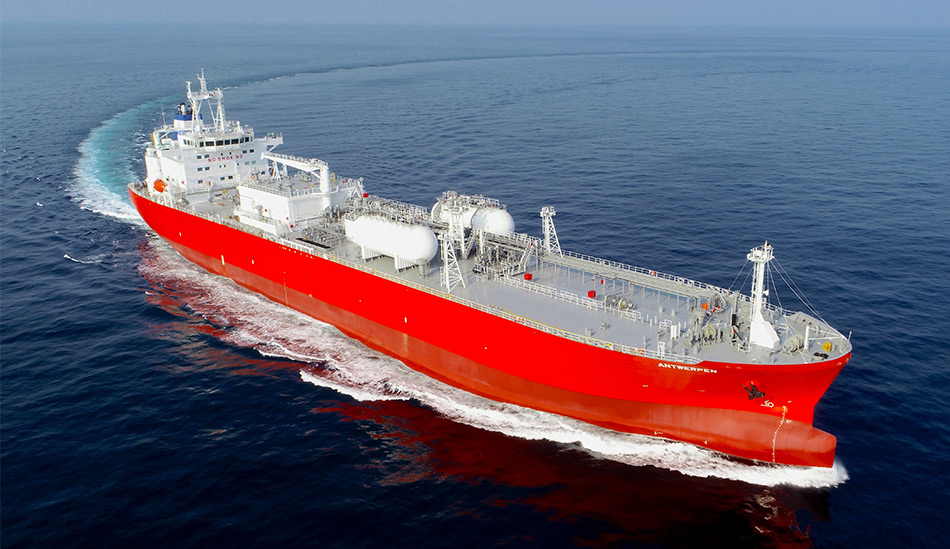
KR is collaborating with HD Hyundai Heavy Industries (HHI) to establish a domestic operating environment for ammonia-fueled vessels under the Ministry of Oceans and Fisheries' "Green Shipping Corridor Construction Support Project". The initiative supports the development of ammonia as one of the most promising next-generation marine fuels.
HHI recently conducted a sea trial of Korea's first ammonia dual-fuel propulsion vessel.The trial generated operational data on the vessel’s fuel supply system and engine, which will provide a valuable technical foundation for KR's future development of domestic guidelines for environmentally friendly vessel operations and supporting wider maritime decarbonization efforts.
A spokesperson for HD Hyundai said, “Drawing on our group's R&D capabilities and on-site technical expertise, we have made meaningful progress in advancing the application of ammonia as a marine fuel. We expect this to contribute to enhancing a sustainable maritime ecosystem and strengthening the competitiveness of Korea's shipbuilding industry.”
Kim Daeheon, Executive Vice President of KR’s R&D Division, added, "The close collaboration between KR and HD Hyundai has enabled us to build the technical foundation for introducing ammonia-fueled vessels in Korea. We will continue to drive national projects forward together with HD Hyundai and establish technical standards befitting the era of Green Shipping Corridors.”
KR, HD Hyundai Heavy Industries, BAR Technologies and Liberian Registry Join Forces on Wind-Assisted LNG Carrier
Supporting the commercialization of
eco-friendly ship technologies
Supporting the
commercialization of
eco-friendly ship
technologies
HD Hyundai Heavy Industries completes sea trial for the world's largest-scale ammonia dual-fuel propulsion vessel
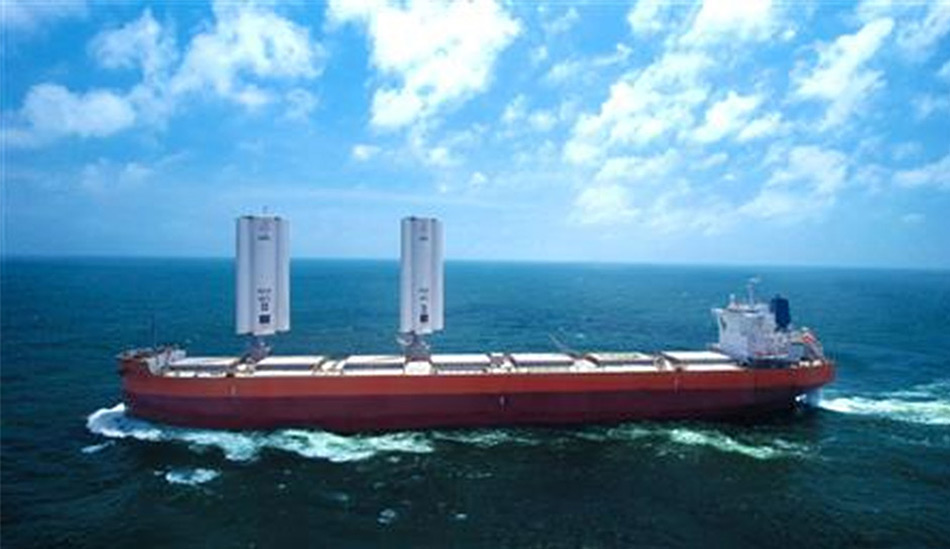
KR has signed a Memorandum of Understanding (MoU) with HD Hyundai Heavy Industries (HHI), UK-based wind propulsion technology company BAR Technologies, and the Liberian International Ship & Corporate Registry (LISCR) to jointly develop a 174K LNG carrier equipped with the WindWings® wind-assisted propulsion system. The agreement was signed at Gastech 2026 in Bangkok and aims to assess the technical feasibility and safety of applying wind-assisted propulsion technology to LNG carriers as the global shipping industry accelerates its transition toward decarbonization.
The project will focus on a 174K LNG carrier developed by HHI featuring a forward accommodation arrangement. By positioning the crew accommodation block toward the bow, the design provides additional space on the upper deck, creating an opportunity to integrate BAR Technologies’ WindWings® system. WindWings® uses large, rigid wing sails installed on a vessel to harness wind as supplementary propulsion. By reducing reliance on the vessel’s main propulsion system, the technology can lower fuel consumption and greenhouse gas emissions while improving overall energy efficiency.
Under the collaboration, HHI will lead the vessel?셲 basic design and design review, while BAR Technologies will provide technical data covering the arrangement and specifications of WindWings®, structural strength, operational concepts and expected fuel savings.
KR, together with LISCR, will assess the safety and technical suitability of the design against applicable rules and international requirements. Based on the outcome of the assessment, KR will also consider granting Approval in Principle (AIP), supporting the application and future commercialization of wind-assisted propulsion technology on LNG carriers.
KR and Hanwha Ocean Partner to Co-Develop Next-Generation 18K LNG Bunkering Vessel
Strengthening competitiveness
in the next-generation LNG fuel supply market
Applying various cargo tanks considering fuel supply efficiency
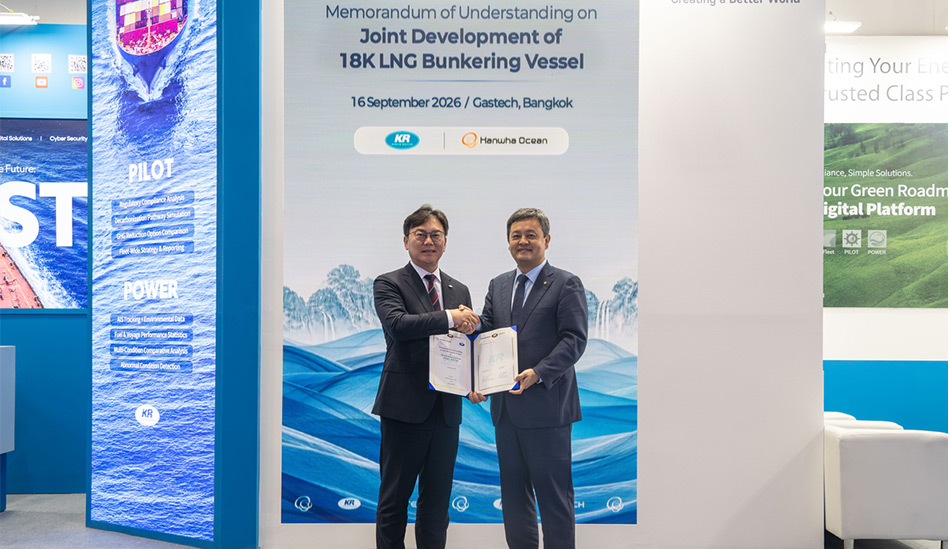
KR signed a Memorandum of Understanding (MOU) with Hanwha Ocean at 'Gastech 2026' in Bangkok for the joint development of an 18,000 m³ (18K) class LNG bunkering vessel. As the International Maritime Organization (IMO) enforces increasingly stringent greenhouse gas (GHG) emission regulations, the global maritime industry is experiencing a rapid increase in LNG-fueled propulsion vessels. Consequently, securing a stable and effi cient LNG fueling infrastructure has become a paramount priority for shipowners and operators worldwide.
To satisfy this surging industry demand, ship-to-ship (STS) LNG bunkering vessels—capable of delivering LNG fuel directly to ships off shore or at berth—are seeing unprecedented market growth. The joint development project between KR and Hanwha Ocean aims to establish advanced LNG bunkering vessel design technology that maximizes operational reliability, safety, and economic feasibility across diverse fuel supply environments.
The 18K LNG bunkering vessel project focuses on developing versatile design concepts tailored to varying operational needs and fuel transfer configurations. To achieve high fuel supply efficiency and adaptability, the joint team is engineering two distinct cargo tank solutions:
· High-Manganese Steel Cargo Tank Independent Type-B (MCTIB): Utilizes high-manganese steel as a structural material, offering superior cryogenic toughness, high structural stability, and superior cost-competitiveness compared to conventional nickel alloy steels.
· Type-C Independent Pressure Tank: Employs a pressure-vessel design philosophy to handle boil-off gas (BOG) pressure flexibly, ensuring high operational safety and simplified cargo management during STS bunkering operations.
By securing design technology for both MCTIB and Type-C cargo tank options, the partners aim to provide shipowners with optimized vessel configurations that balance capital expenditure (CAPEX), cargo capacity utilization, and operational safety.
The development initiative establishes a clear division of technical responsibilities between Hanwha Ocean and KR to accelerate commercial readiness
Hanwha Ocean
· Lead basic engineering design and vessel performance evaluation.
· Establish LNG cargo hold arrangements, fuel supply systems, and operational concepts.
KR
· Review safety, regulatory compliance, and operational efficiency against international conventions and classification rules.
· Conduct technical assessment and issue Approval in Principle (AIP) to facilitate commercialization.
Through this technical collaboration, KR will ensure full compliance with international safety conventions and classification rules from the early design phase, paving the way for the early commercial deployment of next-generation 18K LNG bunkering vessels in the rapidly evolving global maritime decarbonization market.